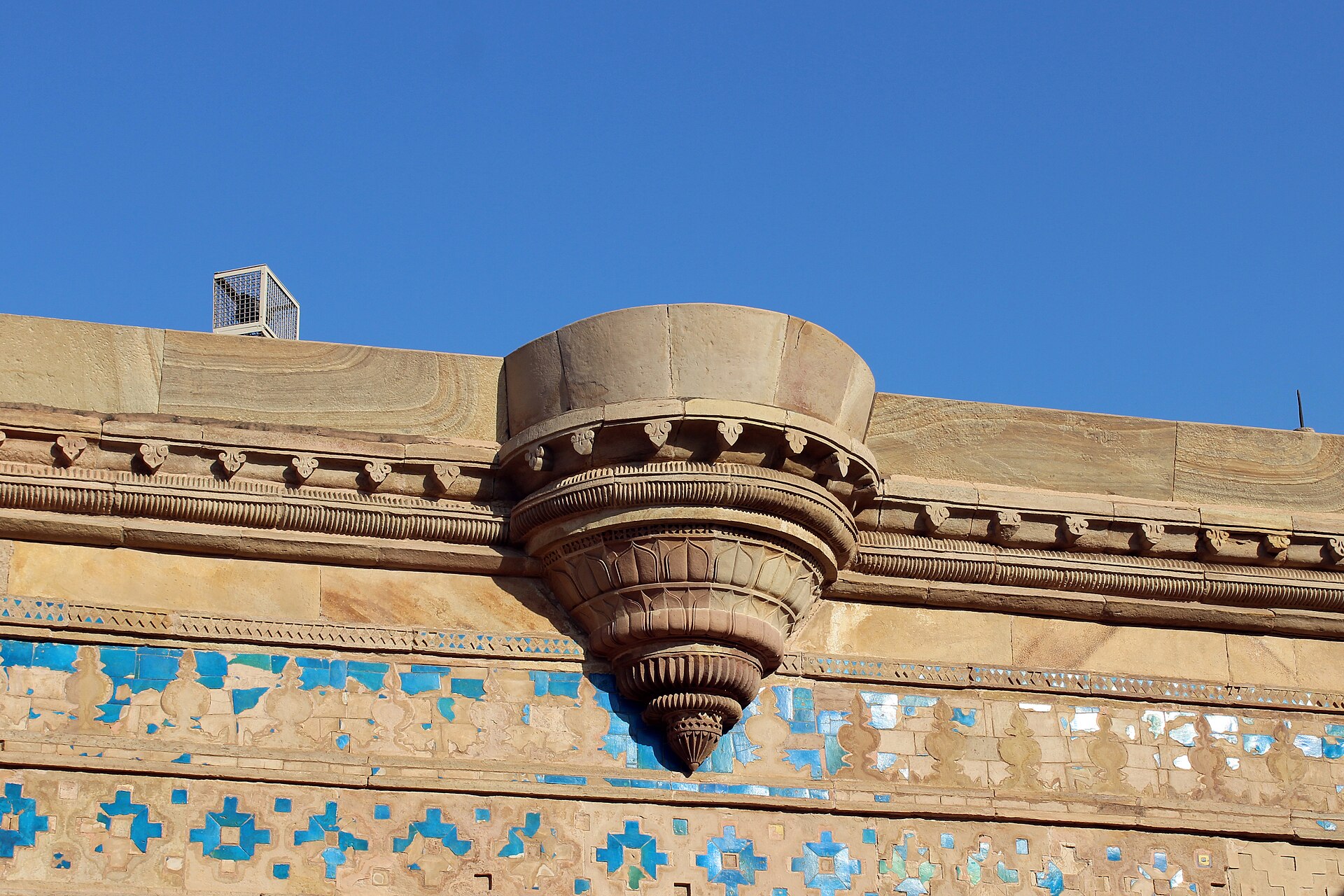
Gwalior Fort rising dramatically on sandstone cliffs above the city with Man Mandir Palace visible at the summit
Madhya Pradesh · Fort City

Gwalior

The Gibraltar of India — an impregnable hilltop fort, a palace of impossible opulence, and the birthplace of Hindustani classical music's oldest tradition.

DistrictGwalior, Madhya Pradesh
Best TimeOctober to March
Suggested Stay1–2 nights
From Indore~425 km · ~7 hrs / by rail
Ideal ForHeritage Lovers, Music Enthusiasts
About Gwalior

The Pearl of the Centre — Fort, Palace & Music

Gwalior is a city of superlatives. Its 8th-century hilltop fort — rising 100 metres above the plain on a sheer sandstone escarpment — has been called the Gibraltar of India, and was described by Babur as "the pearl in the necklace of the forts of Hind."

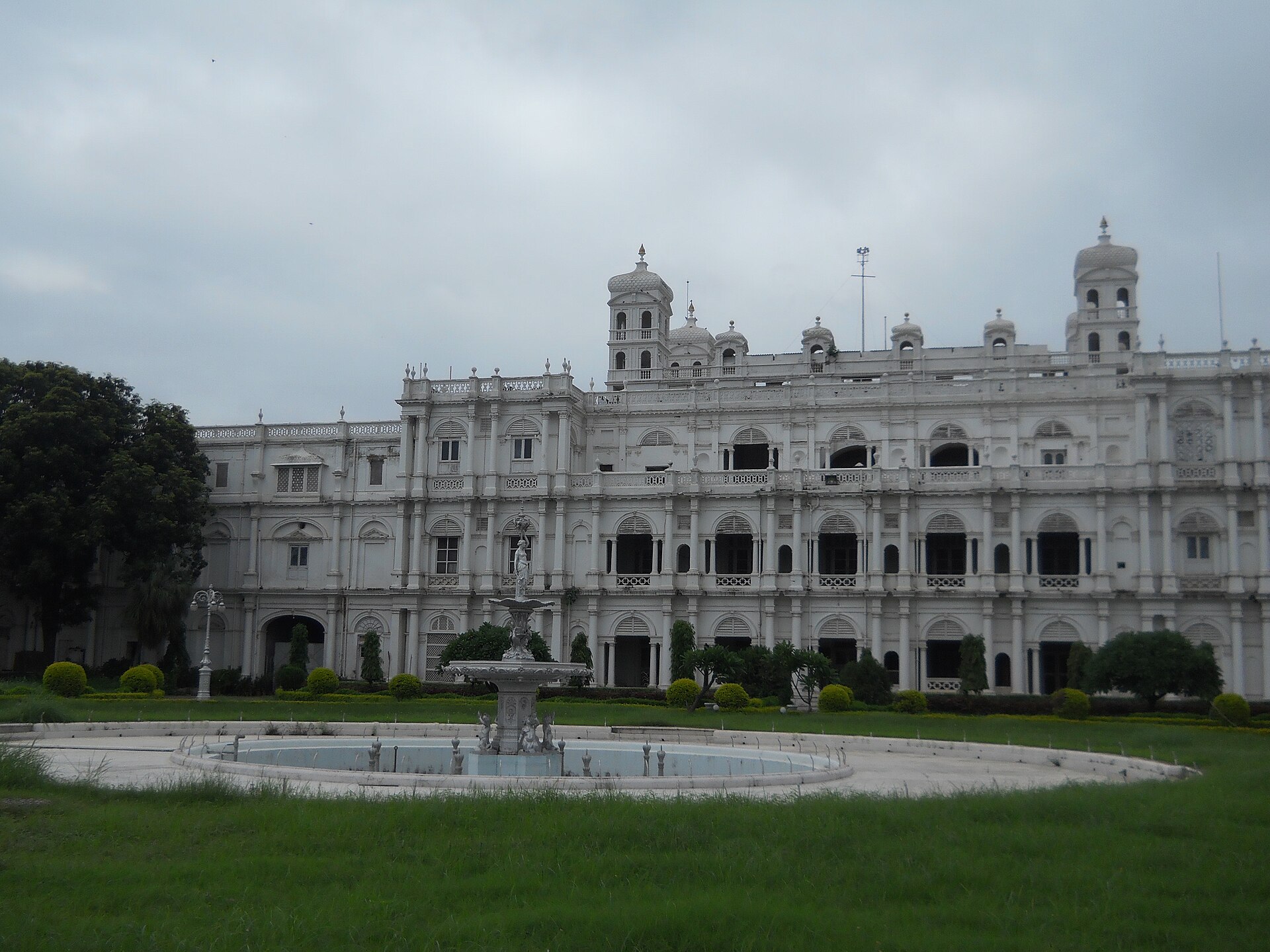
Within the fort walls, the Man Mandir Palace stuns with its distinctive blue and yellow glazed tile work — a technique unique to Gwalior's medieval rulers. Below the fort, the 19th-century Jai Vilas Palace of the Scindia dynasty represents the other end of Gwalior's architectural spectrum: Italian marble, enormous crystal chandeliers and a famous silver toy train.

Gwalior's third identity is musical: it is UNESCO-designated as a Creative City of Music and is the birthplace of the Gwalior Gharana — the oldest tradition in Hindustani classical vocal music. Tansen, one of Akbar's Navratnas and the most revered musician in Indian history, is buried here, and the annual Tansen Samaroh (December) draws the finest Hindustani classical performers from across India.

The majestic Jai Vilas Palace in Gwalior, showcasing opulent European architecture
Key Attractions

Places to Visit in Gwalior

Tomb of Tansen

The mausoleum of Mian Tansen (c. 1493–1586), the legendary court musician of Emperor Akbar and the most revered figure in Indian classical music history. A serene and historically resonant site in the old city. The annual Tansen Samaroh music festival is held here each December, drawing hundreds of classical musicians and thousands of listeners from across India.

Tomb of Ghaus Mohammed

An early Mughal-era sandstone mausoleum celebrated for its extraordinarily intricate latticework screens (jalis) — among the finest carved stone screens in India. The hexagonal main chamber is surrounded by open jali screens that cast spectacular patterns of light and shadow inside the tomb throughout the day.

Gujari Mahal Archaeological Museum

Located at the base of the fort, this 15th-century palace-turned-museum houses one of MP's finest collections of 1st through 10th-century sculptures. The museum's most famous exhibit is the miniature Shalbhanjika figurine (a celestial woman) — a masterpiece of ancient Indian sculpture. Essential for anyone interested in the region's pre-Islamic artistic heritage.

Sun Temple

A modern temple inspired by the famous Konark Sun Temple of Odisha, located on the outskirts of the city. The pink sandstone structure is tranquil and photogenic, particularly beautiful at golden hour when the stone catches the warm light of the setting sun.

Samadhi of Rani Laxmi Bai

The memorial to Rani Laxmi Bai of Jhansi — the warrior queen who led the resistance against British annexation in the 1857 uprising. Her death in battle near Gwalior on June 18, 1858, made her one of India's most celebrated freedom fighters. The memorial site carries considerable patriotic significance.

Tansen Samaroh (December)

The premier Hindustani classical music festival of North India, held annually in December at Tansen's tomb. Over 4 to 5 evenings, the foremost classical vocalists and instrumentalists perform under the open sky. Gwalior holds UNESCO status as a Creative City of Music and is the origin point of the Gwalior Gharana — the oldest classical vocal tradition in North India.

Travel Information

Planning Your Gwalior Visit

Best Time

  • Oct – Mar: Ideal for fort and outdoor sightseeing; December is special for Tansen Samaroh.
  • Apr – Jun: Intense heat — not suitable for climbing the fort or outdoor sightseeing.

December: Tansen Samaroh — plan accommodation in advance.

How to Reach

  • ✈ By AirGwalior Airport (GWL) — direct flights from Delhi (~50 min flight), Mumbai and Indore. ~15 km from city centre.
  • By RailGwalior Junction — on the Delhi–Mumbai main line; Shatabdi and Rajdhani Express stop here. Excellent connectivity from Delhi (~321 km) and Agra (~120 km).
  • By RoadNH 44 (Delhi–Agra–Gwalior) is well-maintained. Gwalior is commonly added as an extension to an Agra/Taj Mahal trip from Delhi (Golden Triangle extension).

Suggested Itinerary

  1. Morning
    Gwalior Fort — Man Mandir Palace, Teli Ka Mandir, Sas Bahu Temples, cliff Jain sculptures
  2. Afternoon
    Jai Vilas Palace & Scindia Museum
  3. Late Afternoon
    Tomb of Ghaus Mohammed · Tomb of Tansen · Sun Temple at golden hour
FAQ

Gwalior — Common Questions

  • Why is Gwalior called the Gibraltar of India?

    The comparison to Gibraltar refers to the extraordinary natural defensive position of Gwalior Fort — an 8th-century fortification built atop a sheer sandstone escarpment that rises approximately 100 metres vertically above the plain. The cliff walls on all sides made it essentially impregnable to assault without superior firepower. The Mughal emperor Babur, who finally captured it, called it "the pearl in the necklace of the forts of Hind." The fort remained one of the most coveted strategic prizes in North India for over a thousand years.

  • What is special about the Jai Vilas Palace?

    Jai Vilas Palace, built by Maharaja Jayaji Rao Scindia in 1874, is remarkable for its sheer extravagance. The Darbar Hall houses two massive Belgian crystal chandeliers, each weighing approximately 3.5 tonnes. The story goes that ten elephants were placed on the roof to test it could bear the weight before installation. The palace also features the famous silver toy train that circled the dining table during formal banquets, serving wine and food to seated guests. The museum section is open to visitors (closed Mondays).

  • Who was Tansen and why is Gwalior associated with music?

    Mian Tansen (c. 1493–1586) is the most celebrated musician in Indian history — one of the Navratnas (nine jewels) of Emperor Akbar's court in Fatehpur Sikri. Born in Gwalior, he is credited with founding or perfecting several Hindustani classical ragas that remain central to the tradition today. The Gwalior Gharana — a lineage-based school of classical vocal music — is the oldest such tradition in North India. Gwalior's musical legacy earned it UNESCO Creative City of Music designation. The annual Tansen Samaroh festival in December honours his legacy with some of India's finest classical performances.

Plan Your Gwalior Heritage Trip

Fort, palace and music — we arrange comfortable Gwalior visits with transport and accommodation from Indore or as part of a wider MP circuit.